Solution
Goal
To design a tool that helps users regulate panic symptoms from the first signs of escalation, without requiring any cognitive effort.
Research Meth0dology
Built a conceptual framework mapping the physiological and psychological roots of panic, and validated each insight through interviews with practising psychotherapists.
I spoke with people who experience panic and anxiety to understand what an attack feels like and why the tools they’ve been given fail them. Five themes emerged:
Physical overwhelm
Cognitive failure: breathing and grounding techniques break down mid-attack
The avoidance loop
Shame and isolation
Sensory anchoring: cold, pressure and strong tastes sometimes break through when nothing else can
I reviewed peer-reviewed literature and clinical frameworks on three questions:
Why the mind fails: during panic the prefrontal cortex goes quiet while the amygdala floods the body with stress hormones.
Why existing approaches fall short: CBT, mindfulness and ACT all need focus and practice, and mindfulness can sometimes worsen panic.
Why the body holds the answer: sensory input and vagus nerve stimulation can shift the body towards calm without any cognitive effort.
I distilled the findings into four user insights, three archetypes (the Survivor, Striver and Seeker) and a journey map across pre-panic, onset, peak and post-panic. The map showed the key window is the first signs of escalation, because escalation happens in seconds and the mind goes offline almost immediately. This is what shaped the goal.
Archetypes
The Survivor ( primary user)
A young adult living with recurring panic attacks in everyday places like grocery stores, transit and work. Cognitive tools fail them mid-attack, their life is shaped by avoidance, and they hide episodes out of shame. They don’t need another app. They need something that meets an overwhelmed body where it is.
The Striver (secondary user)
A problem-solver who has tried breathing, apps and therapy, but nothing works consistently. Their techniques help between episodes, not during them. They would use Soma as a reliable supplement to what they already do.
The Seeker (tertiary user)
Someone newly experiencing panic, scared and searching forums for answers. They have no language for it and no coping toolkit yet. Soma’s simplicity, with no training and no cognitive effort, could be an accessible first step.
User Journey Map
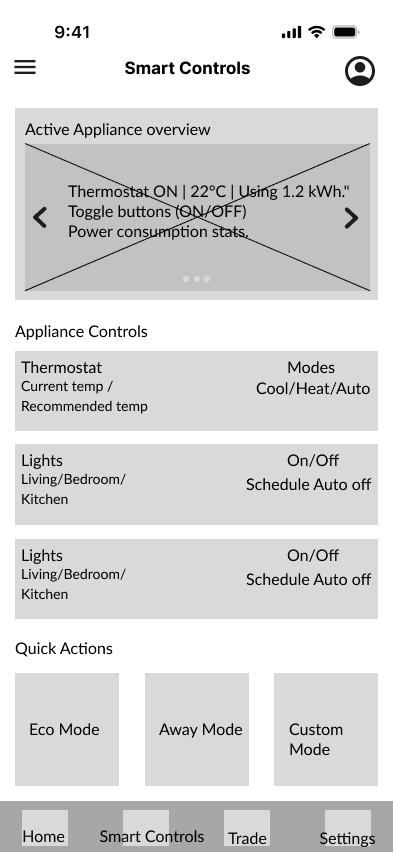
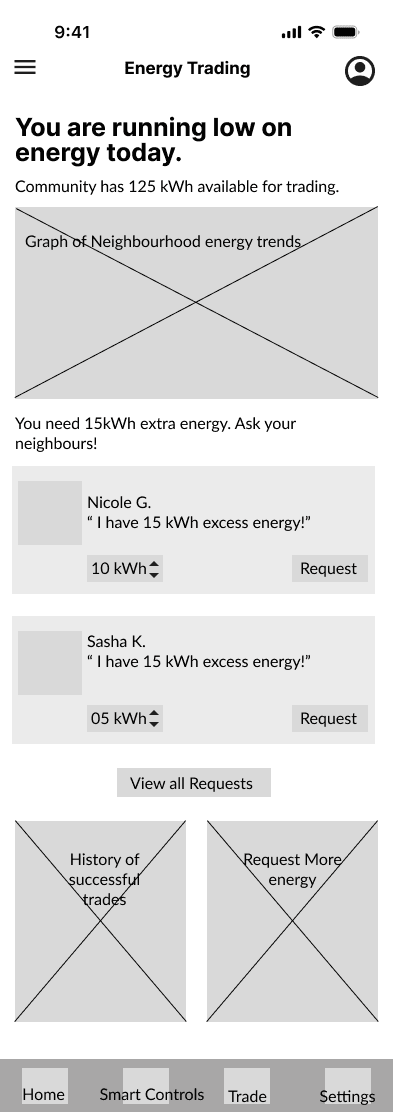
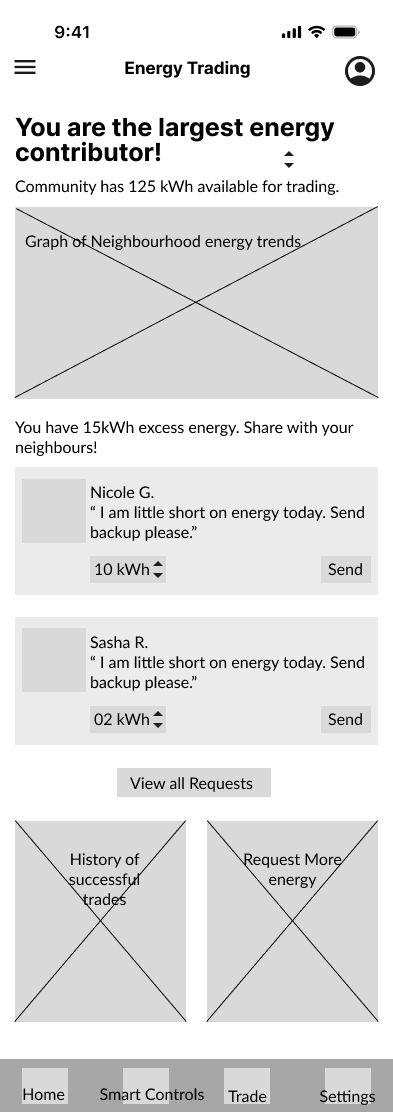
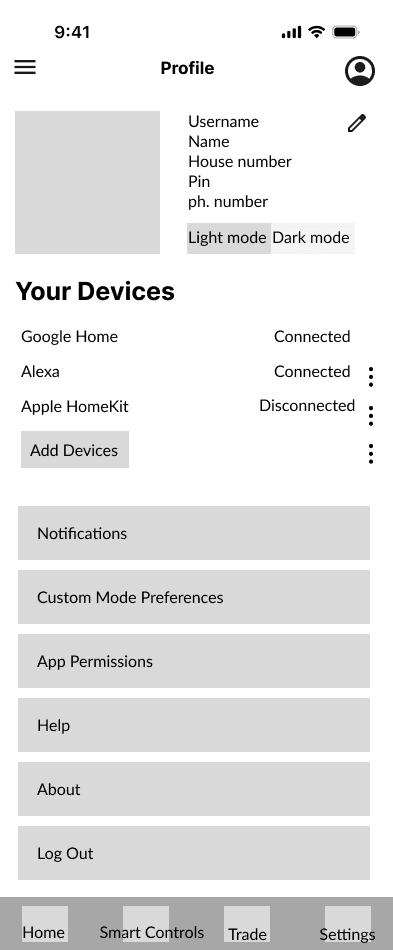
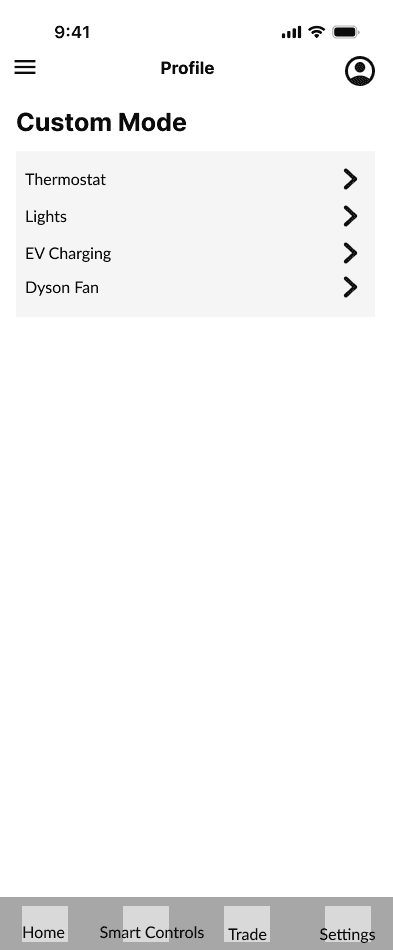
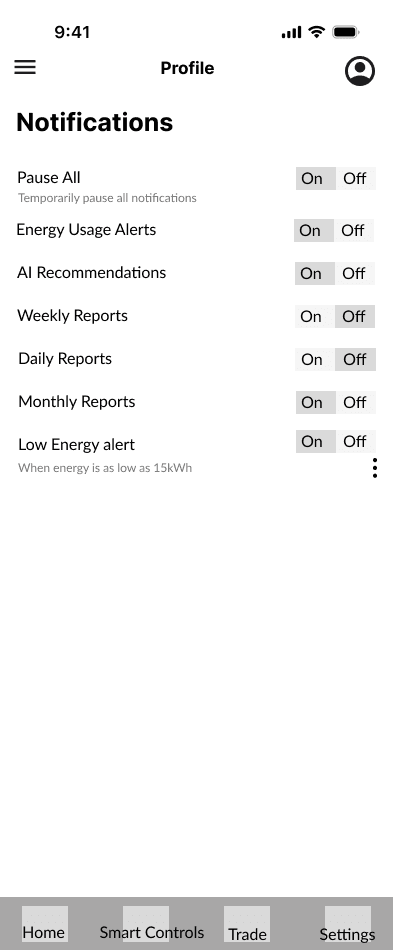
Lo-Fidelity Mockups
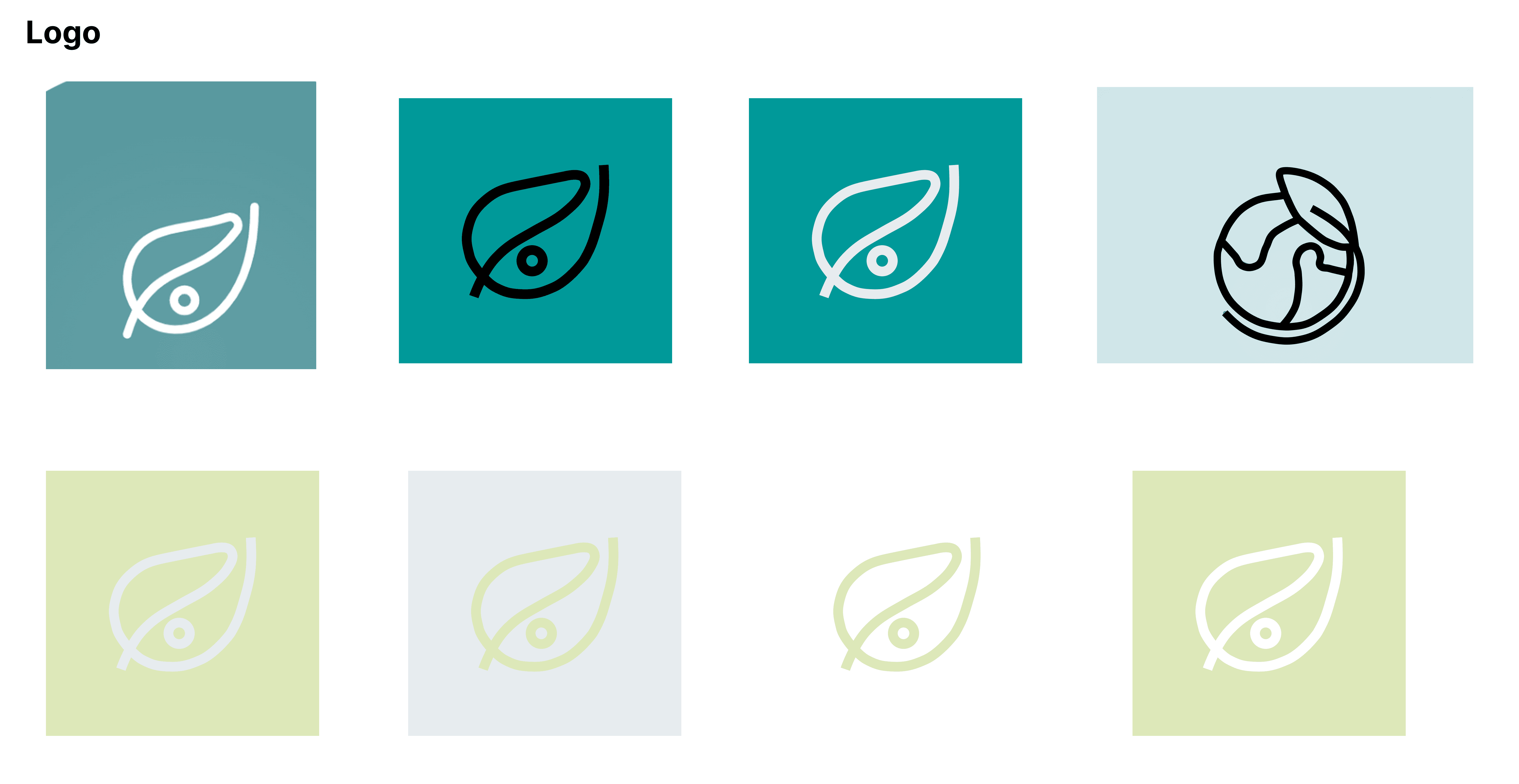
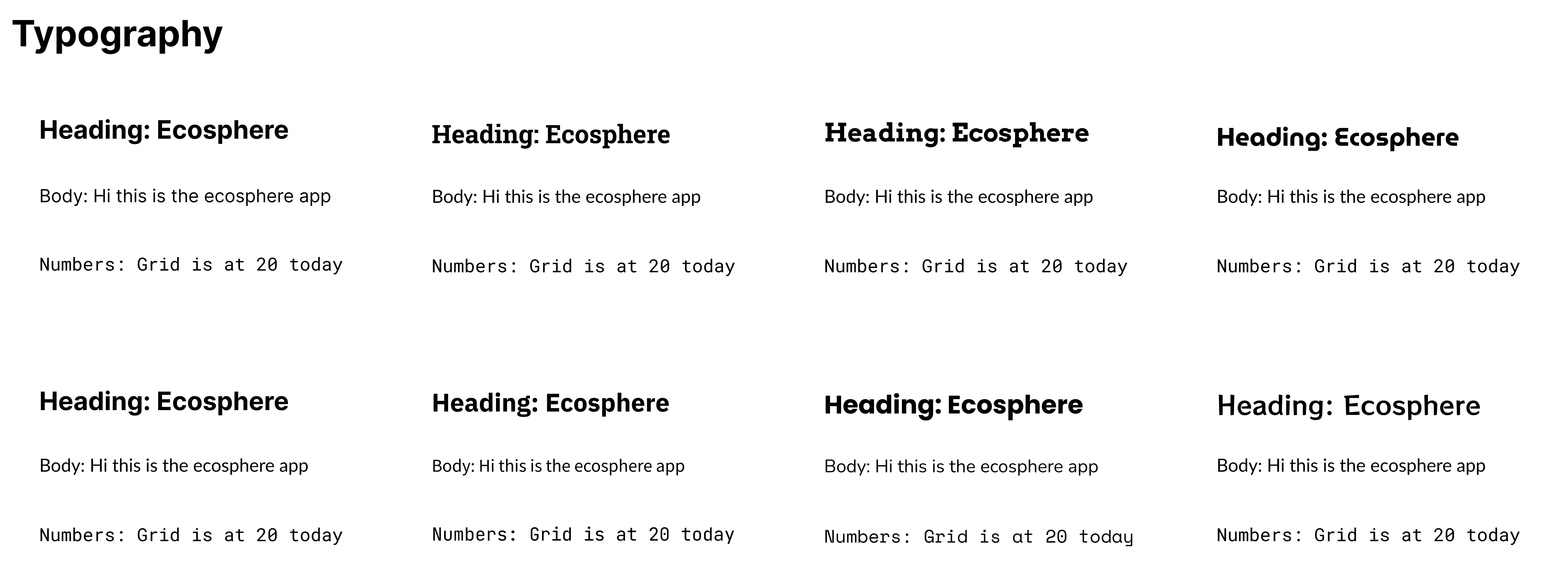
Design system

Hi-Fidelity Mockups
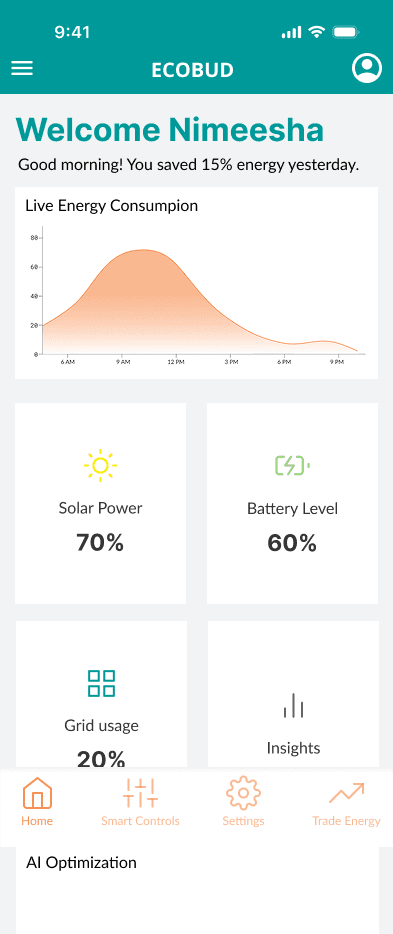
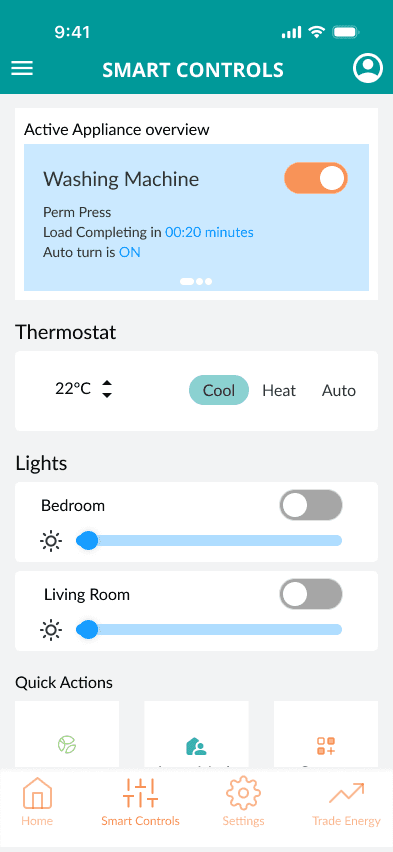
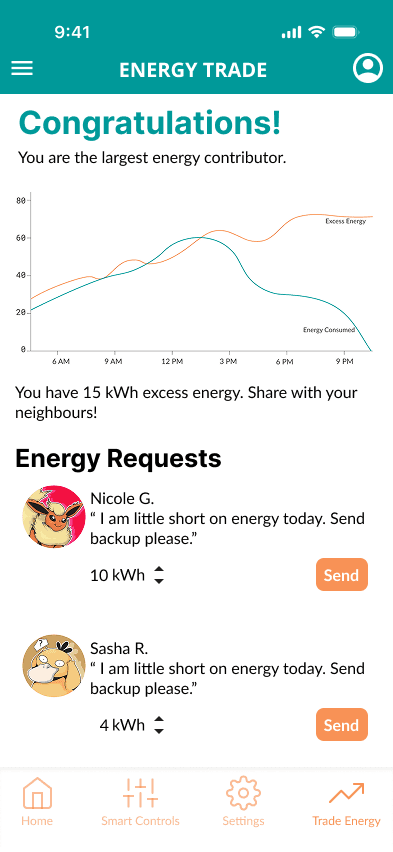
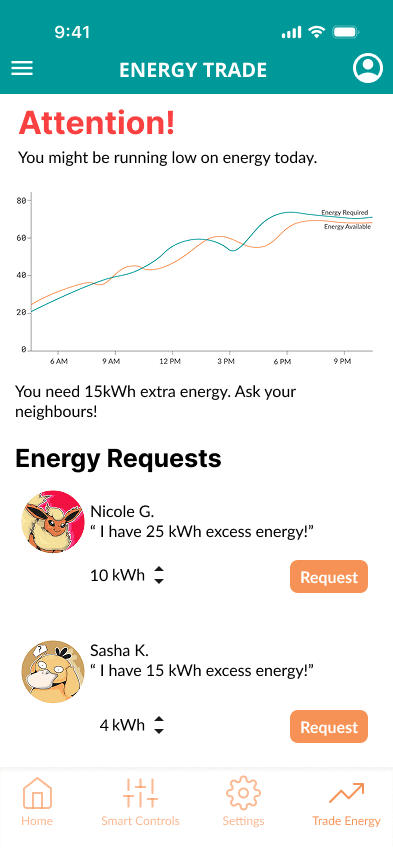
onboarding animation








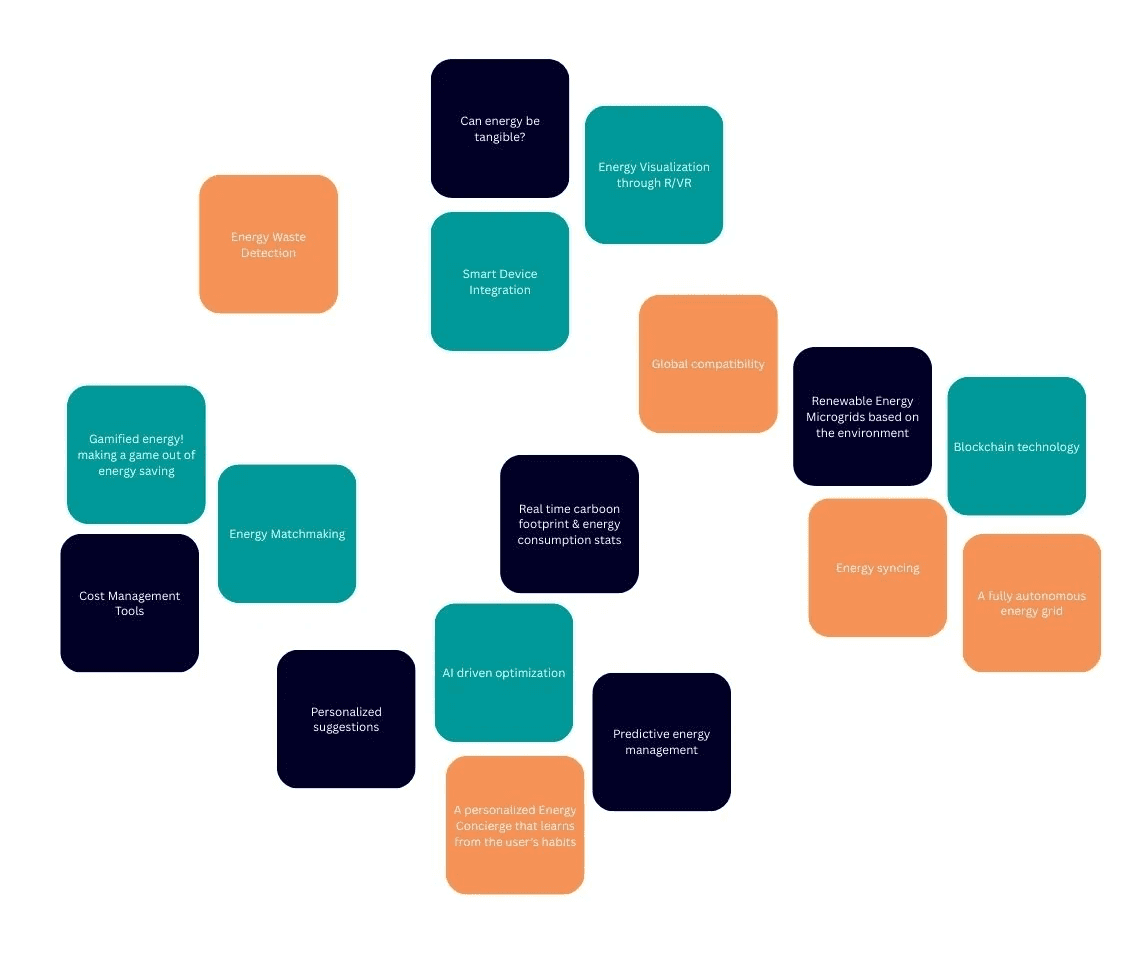
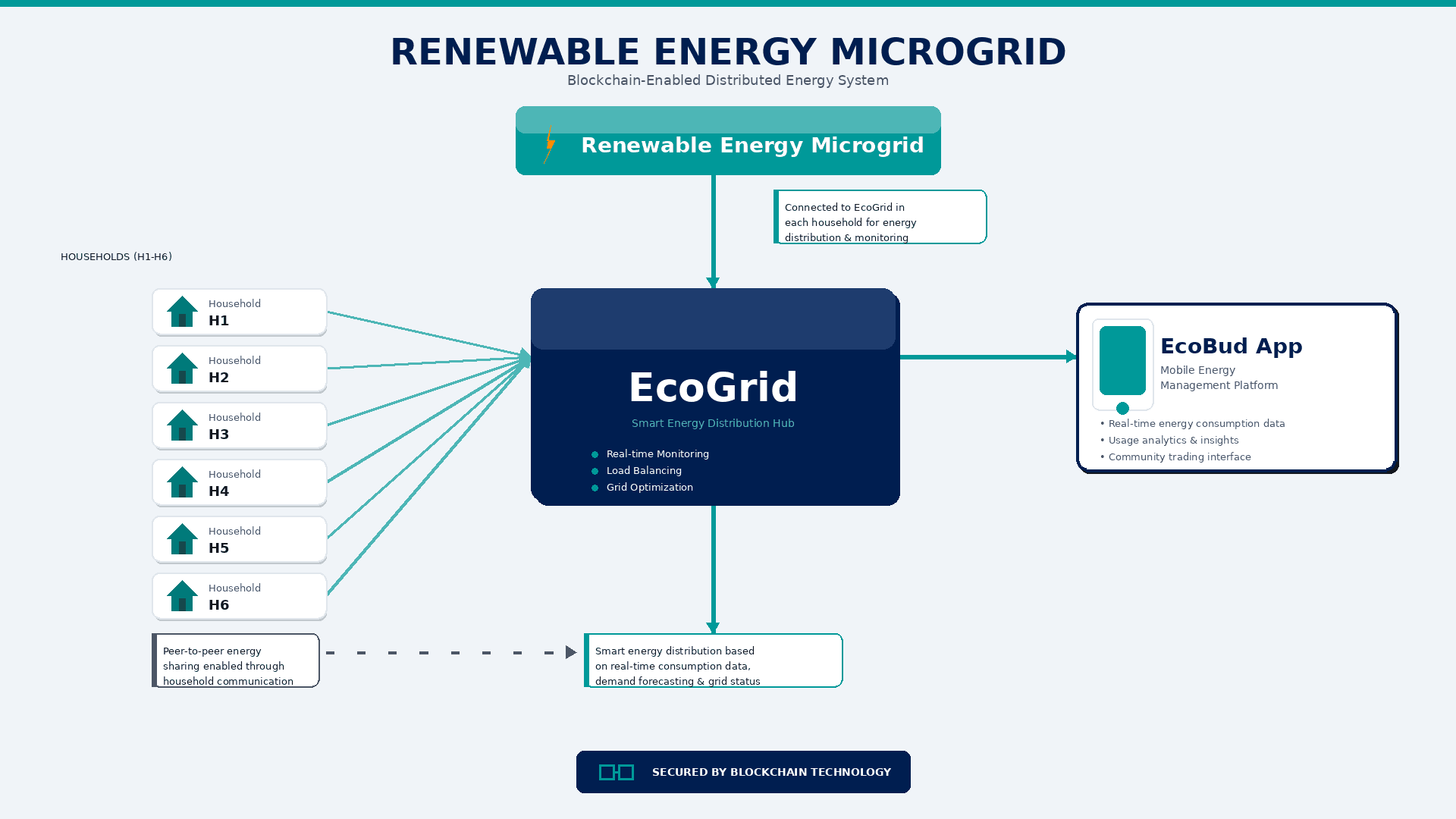
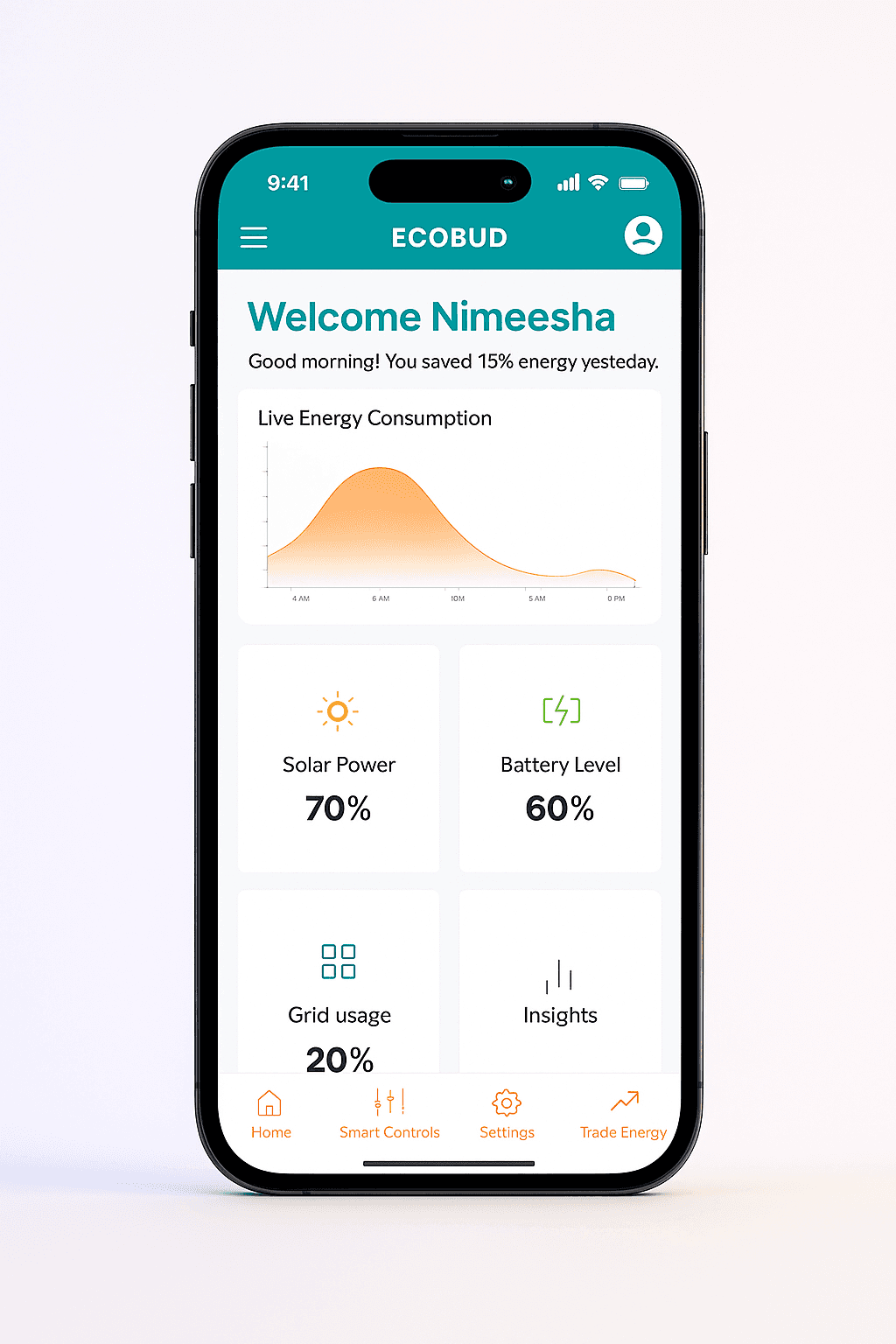
This project allowed me to explore how foresight and design can intersect to make energy systems more intuitive and community-driven. I learned how to translate complex ideas like microgrids, blockchain, and AI into a user-friendly experience that balances individual needs with neighborhood collaboration. If I had more time, I would deepen my research into the technical feasibility of EcoGrid to better align the design with real-world constraints and opportunities. I would also like to further refine the peer-to-peer trading experience, ensuring trust, transparency, and inclusivity for diverse users. I would also welcome the chance to test this concept with real users in a community setting. Gathering insights from households on how they engage with energy could reveal valuable improvements and bring this vision one step closer to reality.